

Choosing the right garage door opener is not just about convenience—it directly affects safety, durability, and long-term performance. The best option depends on your door’s weight, usage frequency, noise tolerance, and whether you need smart features.
In simple terms:
- Light residential use → belt drive opener
- Heavy doors or commercial use → chain drive or high-torque motor
- Smart homes → WiFi-enabled opener with app control
This guide breaks down everything you need to know to make a confident, informed decision.
Key Takeaways
- A garage door opener is a motorized system that automates door opening and closing
- Chain drive is durable and cost-effective; belt drive is quieter
- Motor power (HP) must match door size and weight
- Smart openers offer remote access, security alerts, and automation
- Installation costs vary depending on complexity and door type
What Is a Garage Door Opener?
A garage door opener is an electric motorized device that opens and closes garage doors using a rail system and drive mechanism. It works by transferring motor power into controlled movement, allowing smooth and safe operation.
Modern systems include:
- Safety sensors to prevent accidents
- Rolling code technology for security
- Remote or app-based control

Types of Garage Door Openers
Understanding the different drive types is essential before making a purchase.
Chain Drive Garage Door Opener
- Uses a metal chain to move the door
- Strong and reliable
- Best for heavy or oversized doors
Pros: Durable, affordable
Cons: Noisy
Belt Drive Garage Door Opener
- Uses a rubber belt instead of a chain
- Designed for quiet operation
Pros: Smooth, quiet, low vibration
Cons: Higher cost
👉 Ideal for homes with attached garages.
Screw Drive Garage Door Opener
- Uses a threaded steel rod for movement
- Fewer moving parts
Pros: Low maintenance
Cons: Sensitive to temperature changes
Smart Garage Door Openers
- WiFi-enabled with app control
- Integrates with smart home systems
Features include:
- Remote monitoring
- Voice control (Alexa / Google Assistant)
- Real-time alerts

How to Choose the Right Garage Door Opener
Selecting the right opener requires evaluating several technical and practical factors.
1. Motor Power (HP)
- 1/2 HP → Standard residential doors
- 3/4 HP → Heavier or insulated doors
- 1 HP+ → Commercial or industrial use
2. Door Type and Weight
Heavier doors require higher torque output.
For example:
- Sectional garage doors → standard opener
- Industrial doors → high-torque motor system
3. Noise Level
- Quiet environment → belt drive
- Industrial setting → chain drive
4. Usage Frequency
- Occasional use → standard system
- High-cycle usage → commercial-grade opener
5. Smart Features
Modern buyers increasingly prioritize:
- Mobile app control
- Security alerts
- Automation integration
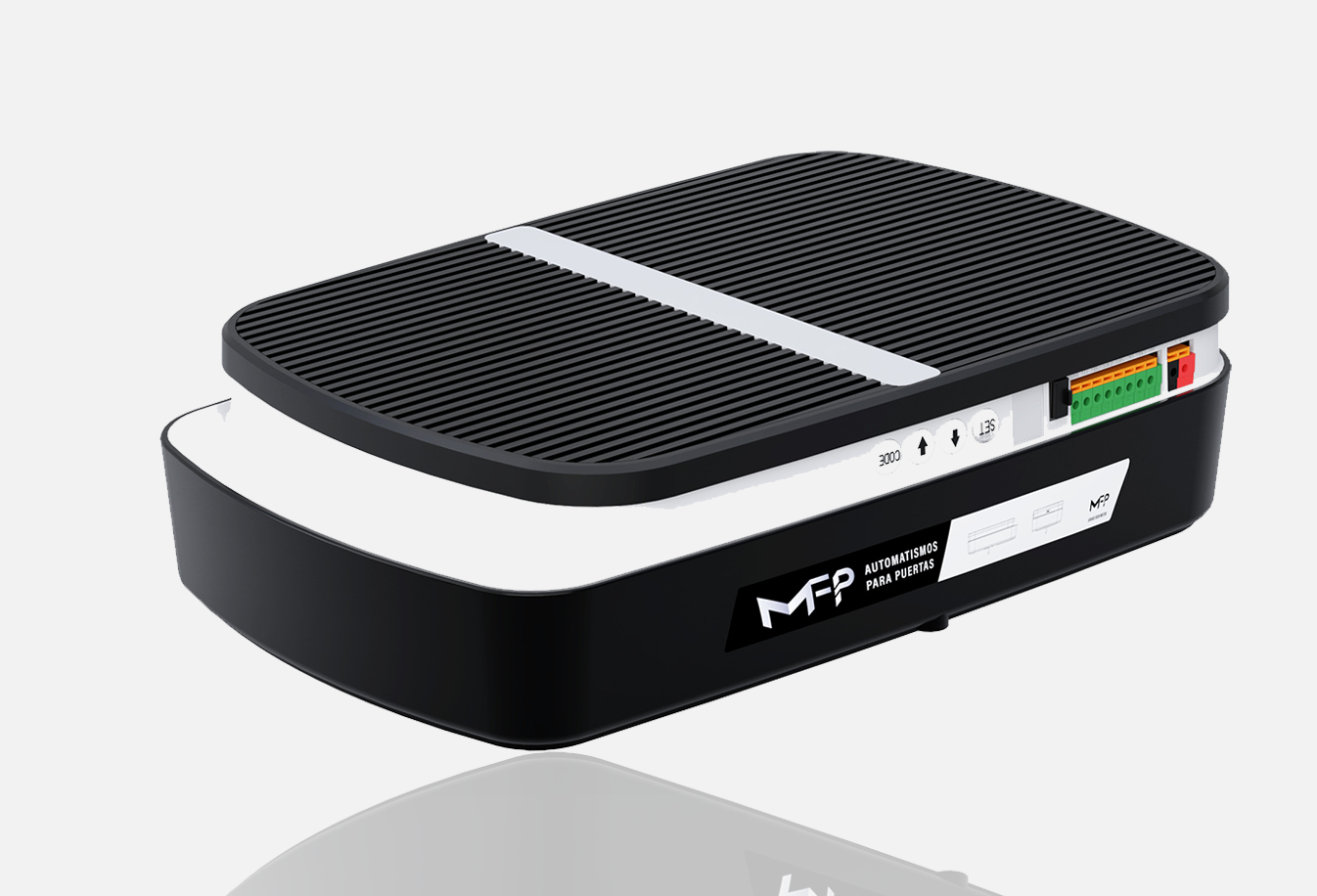
Garage Door Opener Cost Breakdown
Costs vary depending on type, power, and features.
Typical Price Ranges:
- Basic opener: $150–$300
- Mid-range smart opener: $300–$600
- Commercial systems: $600+
Installation Costs:
- Standard installation: $200–$500
- Complex setups: higher depending on structure
👉 Total cost depends on labor, door type, and electrical setup.
How to Install a Garage Door Opener
Step-by-Step Overview:
- Assemble the rail system
- Mount the motor unit
- Attach the opener to the door
- Install safety sensors
- Connect power supply
- Test and adjust settings
⚠️ Note: Improper installation can lead to safety risks. For heavy doors or commercial setups, professional installation is recommended.
Common Problems and Troubleshooting
Garage Door Opener Not Working?
Common causes include:
- Power supply issues
- Misaligned safety sensors
- Remote control malfunction
- Worn-out motor components
Quick Fix Checklist:
- Check power connection
- Realign sensors
- Replace remote batteries
- Reset the system
Smart Features and Future Trends
The garage door opener market is rapidly evolving toward smart automation.
Key trends:
- App-controlled garage access
- Integration with smart home ecosystems
- Enhanced security protocols
- Predictive maintenance systems
👉 Smart openers are becoming the standard, not the exception.
Conclusion
A garage door opener is more than just a convenience—it’s a critical component of your home or facility’s functionality and safety.
The right choice depends on:
- Door size and weight
- Usage frequency
- Noise requirements
- Smart feature preferences
For most homeowners, a belt drive smart garage door opener offers the best balance of performance and comfort. For industrial or heavy-duty use, chain drive systems with high torque motors remain the most reliable solution.
FAQ
1. What size garage door opener do I need?
Most homes use a 1/2 HP or 3/4 HP opener, while heavier or commercial doors require 1 HP or more.
2. How much does a garage door opener cost?
Typically between $150 and $600, excluding installation.
3. Which type is the quietest?
Belt drive garage door openers are the quietest option.
4. Can I install a garage door opener myself?
Yes, but professional installation is recommended for heavy or complex systems.
5. What is a smart garage door opener?
A WiFi-enabled opener that allows remote control and monitoring via smartphone apps.


